
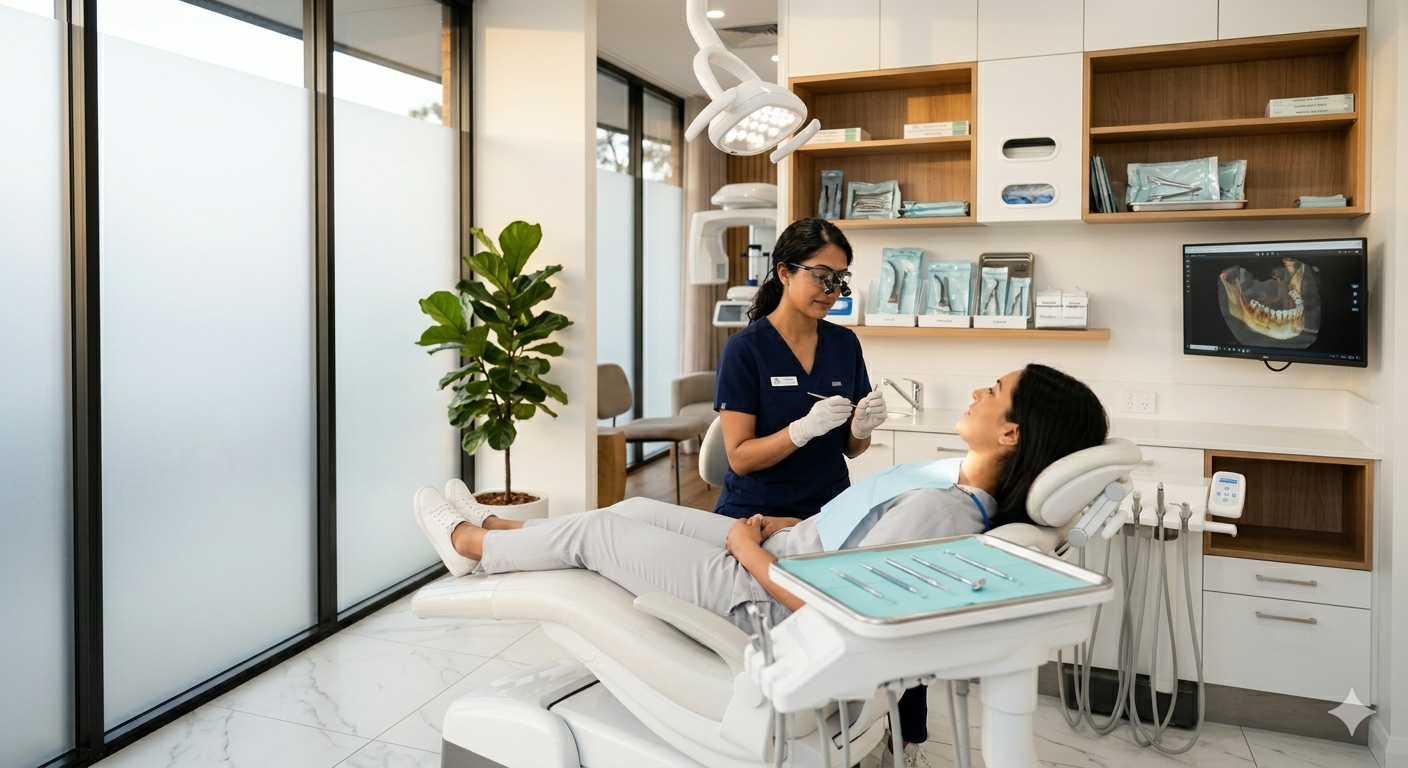
When a dental emergency strikes in Fullerton, CA, quick access to a reliable emergency dentist can make all the difference. Whether it’s a sudden toothache, a chipped tooth, or an injury from an accident, timely care can prevent further damage and relieve pain fast. An emergency dentist in Fullerton is available to provide prompt, expert care when unexpected dental issues arise.
These dentists understand that emergencies don’t keep office hours, so many offer same-day appointments and flexible scheduling. They focus on making patients feel comfortable and supported, using modern techniques to diagnose and treat problems efficiently. This immediate attention helps avoid complications and gets patients back to feeling normal sooner.
If something feels wrong or painful, it’s important to reach out without delay rather than wait. Fullerton’s emergency dental services are ready to help patients navigate urgent situations calmly and safely, emphasizing relief and recovery from the moment they arrive.
What Is an Emergency Dentist?
An emergency dentist specializes in immediate care for dental problems that require quick action to relieve pain, prevent infection, or stop further damage. They provide treatments designed to stabilize urgent conditions, often outside regular office hours.
When to Seek Emergency Dental Care
Emergency dental care is necessary when injuries cause severe pain, bleeding, or broken teeth. Examples include a knocked-out tooth, a deep cavity causing intense pain, or sudden swelling from an infection.
If there’s trauma to the mouth from an accident, or if a dental filling or crown falls out and causes discomfort, it’s wise to see an emergency dentist. Waiting too long can worsen the problem, so prompt attention is crucial.
Difference Between Urgent and Non-Urgent Dental Issues
Urgent dental issues include heavy bleeding, severe pain, or swelling that affects breathing or swallowing. These require immediate professional care to avoid serious complications.
Non-urgent problems may involve minor discomfort, slight tooth sensitivity, or a lost filling that doesn’t cause pain. While these conditions need dental attention, they usually don’t demand an emergency visit.
How Emergency Dentists Help Patients in Distress
Emergency dentists quickly assess the situation and prioritize treatment to reduce pain and prevent infection. They may use pain relief, antibiotics, or perform procedures like tooth reattachment or root canal therapy.
They also guide patients on aftercare and follow-up visits to ensure full recovery. Their goal is to stabilize the situation, provide comfort, and protect overall oral health until more comprehensive treatments can be scheduled.
Common Dental Emergencies in Fullerton, CA
Dental emergencies can strike unexpectedly and often require swift action to avoid further pain or damage. Knowing what types of problems are most common helps residents understand when to seek immediate care.
Severe Toothaches
A severe toothache is often more than just a minor irritation; it can signal underlying problems like infection, cavity, or nerve damage. The pain might be sharp, constant, or throbbing, sometimes spreading to the jaw or ear. People experiencing this should avoid self-medicating with heat or cold packs alone.
Prompt treatment usually involves a thorough examination to identify the cause, followed by options such as root canal therapy or antibiotics if infection is present. Ignoring severe tooth pain risks worsening the condition, including abscess formation, which can affect overall health.
Broken or Knocked-Out Teeth
Accidents in Fullerton frequently result in broken or knocked-out teeth, especially from sports or slips. For a broken tooth, it’s important to save any pieces and rinse the mouth to clear debris. Cold compresses can help reduce swelling.
If a tooth is knocked out entirely, quick action can improve the chance of saving it. The tooth should be handled gently by the crown, rinsed if dirty, and ideally placed back in its socket or stored in milk before reaching the dentist. Emergency dentists in Fullerton are equipped to reimplant teeth and provide restorative care depending on the injury’s extent.
Lost Fillings or Crowns
A lost filling or crown can cause discomfort and expose the tooth to further damage. This kind of emergency often happens when eating sticky foods or due to wear and tear. The area might feel sensitive to air, hot or cold drinks, or chewing pressure.
Temporary dental cement, available in pharmacies, can protect the exposed tooth until a dentist can replace the restoration. Waiting too long to fix a lost filling or crown increases the risk of decay or infection. Fullerton dentists prioritize quick repairs to restore comfort and function, sometimes using same-day solutions.
How to Find an Emergency Dentist in Fullerton, CA
Finding the right emergency dentist quickly can ease both pain and anxiety. It involves knowing where to look, checking if they accept emergency cases, and asking key questions to ensure the care meets immediate needs.
Locating a Nearby Dental Clinic
Start by searching for dental clinics in Fullerton that specialize or explicitly mention emergency dental services. Online directories and Google Maps offer location-based listings and user reviews, making it easier to find something close.
Local hospitals or urgent care centers may also have dental referrals or partnerships with emergency dentists. Consider distance, office hours, and transport options when choosing a clinic to avoid delays during a painful situation.
Verifying Emergency Availability
Not all dental offices provide emergency care outside normal hours. It’s important to call ahead and confirm if they accept walk-ins or have after-hours availability.
Emergency dentists typically offer same-day visits or 24/7 phone lines. Ask specifically what hours they cover and whether they can handle your type of emergency, such as severe tooth pain, knocked-out teeth, or bleeding gums.
Questions to Ask Before Your Visit
Before heading to the clinic, call and prepare questions like:
- What is the expected wait time for emergencies?
- Do you accept my insurance or offer payment plans?
- What emergency procedures do you provide on-site?
- Are X-rays and pain management available immediately?
These questions help set expectations and avoid surprises, ensuring smoother care when stress levels are already high.
What to Expect During Your Emergency Dental Visit
An emergency dental visit is designed to quickly identify the problem, ease your pain, and provide effective treatment. Patients can expect a calm, focused approach that prioritizes their comfort and fast relief.
Initial Assessment and Diagnosis
When a patient arrives, the dentist begins with a thorough but efficient evaluation. This includes asking about the injury or symptoms, such as swelling, bleeding, or tooth sensitivity. A quick visual exam follows, often supplemented by X-rays to pinpoint fractures, infections, or impacted areas not visible to the naked eye.
The goal is to identify whether the issue is a cracked tooth, abscess, lost filling, or other urgent condition. This step is critical because an accurate diagnosis directs the right treatment plan, sparing unnecessary procedures.
Pain Relief Options
Pain control comes first in an emergency visit. Dentists typically use local anesthesia to numb the affected area immediately. For severe pain or swelling, they may also recommend prescription medication like antibiotics or anti-inflammatories.
Cold compresses and over-the-counter pain relievers can help reduce discomfort and swelling before and after treatment. Patients are encouraged to describe their pain level openly, so care can be adjusted to their needs.
Treatment Steps for Common Emergencies
Treatment varies by the specific emergency. For a knocked-out tooth, the dentist attempts to reimplant and stabilize it within a critical time window. Cracked or fractured teeth may require bonding, crowns, or in some cases, extraction to prevent further damage.
Abscesses often need drainage and antibiotics, while lost fillings or crowns are usually replaced quickly to protect the tooth. The dentist will explain each step clearly and discuss next steps, including follow-up care or referrals if needed.
Aftercare and Recovery
Taking good care of your mouth after an emergency dental visit is essential for healing and avoiding complications. Following clear guidelines can reduce pain, prevent infection, and help restore normal function quickly.
Post-Treatment Instructions
After an emergency visit, the dentist will likely provide specific instructions tailored to the treatment performed. It’s important to follow directions on medication use closely, including pain relievers and antibiotics if prescribed. Avoid touching the treated area with fingers or tongue to minimize irritation and prevent infection.
Patients should refrain from eating hard, sticky, or crunchy foods for several days to protect sensitive teeth and gums. Using a soft-bristled toothbrush gently around the treated site helps maintain oral hygiene without disrupting healing. If swelling occurs, applying a cold compress to the outside of the face for 10-15 minutes can help reduce inflammation.
Smoking and alcohol should be avoided for at least 48 hours after treatment, as they can slow down recovery and increase the risk of complications like dry socket or infection.
Tips for a Speedy Recovery
Rest is key following emergency dental care. Getting plenty of sleep supports the body’s natural healing processes. Drinking lots of water washes away debris and keeps the mouth moist, which is beneficial during recovery.
Eating soft foods like yogurt, mashed potatoes, and smoothies minimizes discomfort while providing necessary nutrients. Avoid very hot or cold beverages that might trigger sensitivity in the affected area. Slow, gentle rinsing with warm salt water, starting 24 hours after treatment, can ease pain and promote healing by keeping the area clean.
If any unusual symptoms arise, such as excessive bleeding, persistent pain, or fever, patients should contact their emergency dentist promptly. These could indicate infection or other issues needing professional attention.
Preventing Future Dental Emergencies
Taking specific steps daily can significantly reduce the risk of sudden dental problems. Consistent oral hygiene, protective measures during physical activities, and routine visits to the dentist work together to keep teeth strong and healthy.
Healthy Oral Care Habits
Maintaining good oral hygiene is the first defense against dental emergencies. Brushing twice a day with fluoride toothpaste helps remove plaque and prevent cavities, which can cause pain or infection if left untreated. Flossing daily cleans areas a toothbrush can’t reach, reducing the risk of gum disease.
Using a soft-bristled brush protects enamel and gums from damage. Rinsing with an antimicrobial mouthwash adds extra protection by killing bacteria. Avoiding excessive sugar and acidic foods can prevent enamel erosion, making teeth less vulnerable to cracks and decay.
Protective Gear for Sports
Wearing properly fitted mouthguards during sports or recreational activities is crucial. Mouthguards cushion impacts that could cause chipped or knocked-out teeth. Custom-fitted ones from a dentist provide better protection and comfort than store-bought versions.
Helmets with faceguards also reduce the chance of dental injuries. For contact sports like football or hockey, using both mouthguards and helmets minimizes dental emergency risks. Coaches and parents should ensure that players consistently wear this protective gear to prevent accidents.
Regular Dental Checkups
Visiting the dentist twice a year helps catch small dental issues before they become emergencies. Professional cleanings remove tartar buildup that can’t be eliminated by brushing alone. Dentists also inspect for early signs of cavities, cracks, or gum disease.
X-rays during checkups reveal hidden problems such as impacted teeth or infections. Early detection means quicker, less painful treatment and lowers the chance of needing emergency care. Keeping scheduled appointments builds a strong partnership with the dentist to maintain long-term oral health.
Why Choose an Emergency Dentist in Fullerton, CA?
An emergency dentist in Fullerton offers care tailored to urgent dental needs while using modern technology and convenient local services. Patients benefit from compassionate attention and quick access when unexpected dental issues arise.
Personalized, Compassionate Care
Emergency dentists in Fullerton understand the stress and pain that come with dental emergencies. They take time to listen carefully to each patient’s concerns, ensuring treatment is both effective and comfortable.
Many offer flexible scheduling and prioritize urgent cases, so patients feel supported from the moment they call. Staff often explain procedures in simple terms, helping reduce anxiety and build trust. This personal attention creates a calming environment, important when facing pain or sudden problems.
State-of-the-Art Treatments
Fullerton emergency dentists use the latest technology to diagnose and treat urgent dental issues efficiently. Digital X-rays, laser therapy, and advanced pain management are common tools to speed up care and improve comfort.
These modern techniques allow dentists to provide precise treatments, whether for a severe toothache, broken tooth, or infection. Fast, accurate care reduces the risk of complications and helps patients recover quicker. Being up-to-date with current methods reflects a commitment to thorough, quality dental care.
Convenient Local Access
Choosing an emergency dentist in Fullerton means receiving care close to home, which matters most when pain or injury strikes unexpectedly. Many clinics are located within easy reach, reducing travel time during urgent situations.
Extended hours or weekend availability are common, helping patients get timely treatment without disrupting work or family life. Local dentists also have established connections with nearby specialists, making referrals smoother if more complex care is needed. This accessibility helps patients feel reassured that help is nearby.
Taking the Next Step Toward a Healthy Smile
Finding the right emergency dentist in Fullerton, CA means more than just quick relief—it’s about building a foundation for lasting dental health. After addressing urgent pain or injury, the next step is to schedule a follow-up visit. This helps ensure any lingering issues are fully treated and prevents future problems.
Patients can expect a caring approach that focuses on comfort and clear communication. Modern dental offices often offer flexible scheduling, sedation options, and personalized treatment plans tailored to each person’s needs. This makes recovery smoother and less stressful.
Regular dental check-ups remain key to maintaining a healthy smile. Simple habits like brushing twice daily, flossing, and using fluoride products add up. Combining preventive care with prompt emergency treatment leads to better long-term results.
Here’s a quick checklist for taking the next step:
- Schedule a follow-up appointment within a week after emergency care
- Ask about preventive treatments like cleanings, sealants, or night guards
- Discuss any concerns about dental anxiety or treatment options
- Keep up good oral hygiene habits daily
By working closely with a trusted dental team, patients can feel confident moving forward, knowing their smile is in expert hands. Encouraging open questions helps create a partnership that makes dental care less daunting and more effective.
Frequently Asked Questions
Knowing when to seek immediate care versus waiting can save pain and prevent complications. Simple steps can help manage discomfort at home until a dentist can provide treatment.
How do I know if my tooth problem is a true emergency or something that can wait until tomorrow?
Severe pain, swelling, bleeding, or a knocked-out tooth usually require urgent care. Mild sensitivity or slight discomfort can often wait for the next day.
If the issue affects breathing, swallowing, or causes intense swelling of the face or jaw, it’s an emergency.
If I have a severe toothache, what should I do at home to stay comfortable until I’m seen?
Rinse gently with warm salt water to reduce irritation. Use over-the-counter pain relievers like ibuprofen, avoiding aspirin directly on gums.
Apply a cold compress outside the cheek to reduce swelling. Avoid very hot, cold, or sugary foods.
What can I do if a tooth gets knocked out or chipped—what are the first steps to protect it?
If a tooth is knocked out, hold it by the crown, rinse gently with water, and try to place it back in the socket if possible. Otherwise, keep it moist in milk or saline.
For chips, rinse your mouth and use dental wax or sugarless gum to cover sharp edges until treatment.
Will the emergency room treat dental pain, and when is it better to go there versus a dental office?
Emergency rooms handle pain and infections but usually don’t fix dental issues. Go to the ER if there is severe trauma, uncontrolled bleeding, or swelling blocking the airway.
For toothaches and broken teeth, an emergency dentist is the better choice for prompt, appropriate care.
What are my options if I have a dental emergency but don’t have a regular dentist yet?
Many emergency dentists accept new patients or offer walk-in appointments. Urgent care clinics specializing in dentistry can guide you quickly.
Calling ahead can help ensure availability and reduce wait times.
How quickly can I typically be seen for urgent dental care, and what should I bring to the visit?
Most emergency dentists schedule same-day or next-day appointments for urgent cases. Bring any recent dental records, a list of medications, and your insurance information if available.
Arriving early with detailed information helps speed up your evaluation and treatment.