
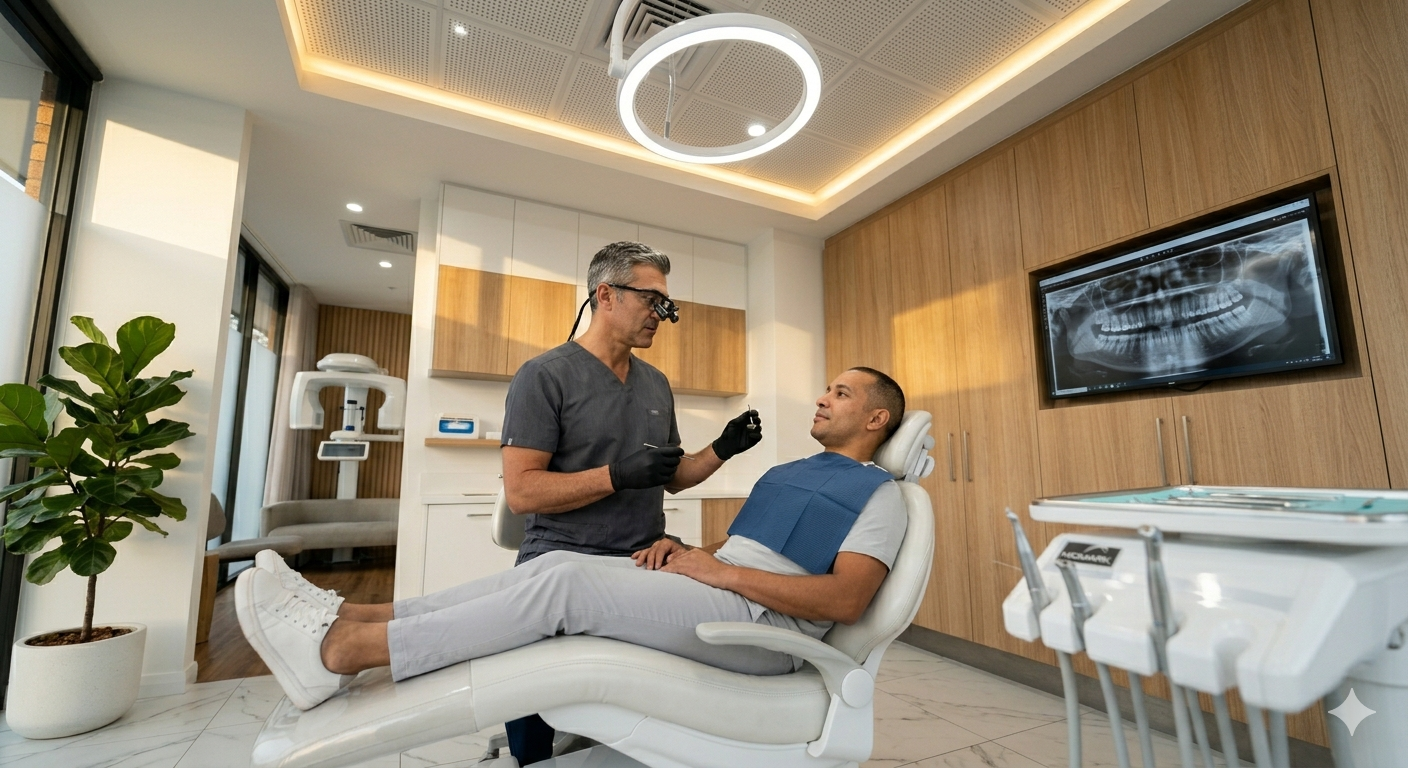
Looking for affordable teeth whitening in Fullerton? They can find professional options that fit a range of budgets, from in-office treatments that deliver fast, noticeable results to take-home kits supervised by a dentist for gradual brightening. You can get a safer, longer-lasting whitening result in Fullerton without overpaying by choosing treatments tailored to your needs and budget.
The article explains how whitening works, compares common options, and highlights local practices that prioritize comfort and modern techniques. It also covers what to expect during an appointment, tips for keeping results longer, and when whitening might not be the right choice — so they can choose confidently and take the next step toward a brighter smile.
Understanding Teeth Whitening Options
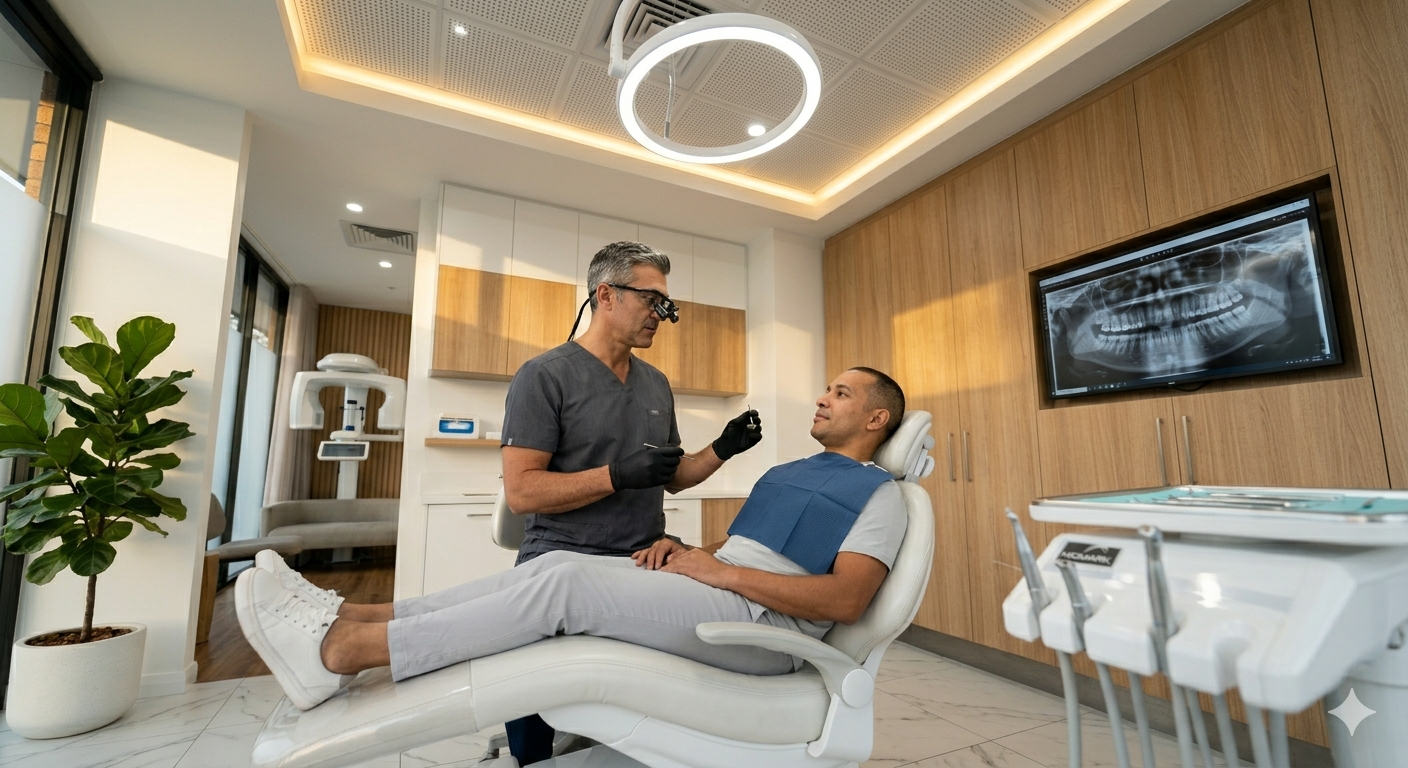
Teeth whitening choices differ by speed, cost, and expected results. Patients should weigh professional control, at-home convenience, and retail affordability when deciding.
Professional In-Office Treatments
In-office whitening uses higher-concentration peroxide gels applied by a dental professional, often with light or heat activation. Typical sessions last 45–90 minutes and can lift stains by several shades in a single visit, making it the fastest option for visible change.
Dentists evaluate gum health and existing restorations first to reduce sensitivity and avoid uneven results. They also customize the peroxide strength and exposure time based on tooth condition and patient comfort.
Costs in Fullerton-area practices vary; expect higher fees than home kits but stronger, more predictable outcomes. Patients benefit from professional monitoring, immediate shade comparison, and the option to combine in-office treatment with take-home trays for longer-lasting results.
At-Home Whitening Kits
Custom take-home kits supplied by a dentist include molded trays and medical-grade peroxide gel, typically 10–22% carbamide peroxide. The patient wears trays for prescribed daily periods—often 30 minutes to overnight—for one to two weeks, allowing controlled, gradual whitening.
Dentist-provided kits reduce risks of gum irritation because trays match the dental arches and the dentist advises on sensitivity management. Results appear more slowly than in-office treatments but can equal in-office outcomes when patients follow instructions closely.
These kits cost less than a full in-office procedure but more than over-the-counter products. They offer a balance of professional oversight, convenience, and durable results, especially for patients with tooth restorations or mild-to-moderate staining.
Over-the-Counter Products
OTC options include whitening strips, paint-on gels, whitening toothpaste, and LED light devices with peroxide concentrations much lower than professional products. Strips and gels are convenient and affordable, often costing under $50, but they produce modest shade changes and work best on surface stains.
Risks include uneven whitening around crowns or veneers and increased tooth or gum sensitivity if used improperly. Readers should check ingredient lists and avoid prolonged use beyond manufacturer instructions.
OTC products suit budget-conscious people with minor staining who accept slower, less dramatic results. For persistent discoloration, complex staining, or sensitive teeth, a dental consultation offers safer, more effective alternatives.
Benefits of Whitening Services in Fullerton
Whitening services in Fullerton deliver visible shade improvement, tailored safety measures, and flexible pricing options that suit local schedules and budgets. Patients gain immediate aesthetic results, professional oversight, and personalized plans that fit daily routines and oral health needs.
Boosting Confidence Through a Brighter Smile
A brighter smile often translates to measurable confidence in social and professional settings. Patients report feeling more comfortable at interviews, meetings, and social events after professional whitening that lightens enamel by several shades in one to two visits.
Fullerton clinics use shade guides and before/after photos so patients see realistic expectations. This helps set clear goals—whether the aim is a subtle refresh or a dramatic change—reducing disappointment and ensuring satisfaction.
The cosmetic boost also encourages better oral hygiene; people who invest in whitening tend to maintain brushing and flossing habits to protect their results. Local practices often pair whitening with quick polishing or fluoride treatment to maximize immediate appearance and safeguard enamel.
Safe and Comfortable Procedures
Fullerton dental offices follow ADA-compatible protocols and use dentist-prescribed bleaching agents rather than over-the-counter mixes. Trained staff protect gums with barriers and monitor sensitivity, adjusting peroxide concentration or application time if discomfort arises.
Many clinics offer chairside treatments with built-in desensitizing options and take-home trays fabricated from intraoral scans or impressions for gradual whitening at home. These trays fit precisely, which reduces gum irritation and controls gel exposure.
Clinicians screen for restorations, decay, and gum disease before whitening to prevent uneven results and minimize complications. They document baseline shades and sensitivity levels, then provide post-treatment care instructions and products to manage transient sensitivity.
Customized Treatment Plans
Fullerton practices tailor whitening plans based on enamel condition, lifestyle habits, and desired outcome. A consultation identifies stains (e.g., tobacco, coffee, tetracycline) and recommends in-office, take-home, or combined approaches to match staining depth and patient timetable.
Cost, sensitivity history, and schedule factor into the plan. For example, a working professional may prefer a single in-office session followed by custom trays for touch-ups, while someone with sensitive teeth might choose lower-concentration home bleaching over multiple chairside applications.
Documentation of shade goals, expected timeline, and maintenance steps ensures transparent pricing and realistic results. Clinics often include follow-up checks to adjust treatment and supply touch-up gel or whitening toothpaste as needed.
Affordable Teeth Whitening Solutions
This section explains what patients can expect to pay for common whitening options and outlines practical ways to spread or reduce the cost. It focuses on typical prices in Fullerton, common trade-offs between speed and longevity, and local financing choices.
Comparing Costs of Different Methods
In-office professional whitening typically ranges from $350 to $700 in Fullerton for a single visit using LED-accelerated hydrogen peroxide gels. This option gives the fastest, most predictable whitening and is supervised by a dentist to reduce sensitivity risk.
Take-home trays made by a dentist usually cost $200 to $450, including custom trays and prescription-strength gel. Results take 1–2 weeks and often last longer than over-the-counter products because of better fit and stronger bleaching agents.
Over-the-counter strips and whitening toothpaste cost $10 to $60. They can remove surface stains but rarely match professional shade changes and may cause uneven results if enamel is irregular.
Pressure-free alternatives like dental bonding or porcelain veneers start around $500 per tooth and address intrinsic stains that bleaching cannot correct. Patients should weigh longevity and aesthetics when choosing.
Payment Plans and Financing Options
Many Fullerton dental practices partner with third-party healthcare lenders such as CareCredit or Proceed Finance, offering 6–24 month low- or no-interest plans for whitening and cosmetic procedures. Monthly payments depend on the total cost and chosen term; for example, a $600 treatment on a 12-month 0% plan equals about $50 monthly.
Dentists often provide in-office financing or split-payment arrangements that let patients start treatment immediately with a down payment of 10–30%. This reduces upfront burden and typically requires a credit check.
Insurance rarely covers cosmetic whitening, but some dental membership plans or in-house discount plans offer reduced fees for whitening services. Patients should request written cost estimates and financing terms, and compare APR, fees, and total repayment before committing.
What to Expect During Your Appointment
Patients will receive a clear, stepwise experience from intake to aftercare guidance. The visit emphasizes comfort, professional supervision, and measurable whitening results tailored to individual needs.
Step-by-Step Whitening Process
The appointment begins with a brief dental exam and shade assessment to document baseline tooth color. A dental hygienist or dentist reviews medical history, reviews any tooth sensitivity, and photographs teeth for before-and-after comparison.
Next, soft lip and gum barriers are applied to protect soft tissues. The provider uses a peroxide-based whitening gel applied directly to tooth surfaces. In-office systems often include a low-heat LED or laser activation for 15–20 minutes per cycle; most protocols use two to three cycles.
Providers rinse the gel between cycles and reassess shade after each activation. If tooth sensitivity occurs, they pause treatment, apply desensitizing gel, or shorten cycles. Staff explain expected shade improvement and provide the patient with post-treatment photos.
Time Commitment and Scheduling
Most in-office whitening sessions last 60–90 minutes from check-in to checkout. The active whitening portion typically occupies 30–60 minutes within that appointment. Patients should arrive 10–15 minutes early for intake paperwork and baseline photographs.
Some practices recommend a single in-office session followed by take-home trays for touch-ups; that follow-up requires a separate short visit for impressions, which adds 30–45 minutes on a different day. Busy patients can schedule treatment between appointments or during a lunch break, since recovery time is minimal and normal activities can resume immediately.
Patients with higher sensitivity or extensive dental work may need staged treatments over multiple visits. The office will confirm any scheduling constraints and provide appointment reminders by text or email.
Aftercare for Lasting Results
Providers give an individualized aftercare plan that typically includes avoiding staining foods and drinks for 48 hours: coffee, red wine, dark sauces, and tobacco. They also recommend twice-daily brushing with a fluoride toothpaste and using a soft-bristled brush for the first 24–48 hours if sensitivity occurs.
If take-home trays are provided, instructions cover wearing time (usually 30 minutes to overnight depending on concentration), tray cleaning, and storage. For sensitivity, patients are advised to use a potassium nitrate or fluoride-containing desensitizing toothpaste and to skip whitening for a few days if discomfort persists.
Providers schedule a follow-up or offer touch-up kits; many recommend touch-ups every 6–12 months depending on diet and smoking habits. The office encourages patients to call or message with questions about pain, shade expectations, or product use.
Choosing the Right Dental Practice in Fullerton
Look for a practice that combines proven clinical skill, a patient-first atmosphere, and real examples of successful whitening. Practical factors like location, pricing transparency, and available whitening options make a big difference in the patient experience.
Experience and Credentials That Matter
Patients should confirm the dentist’s licensure and look for additional training in cosmetic dentistry or tooth whitening. A dentist who has completed CE courses in cosmetic procedures, holds membership in the American Academy of Cosmetic Dentistry (AACD) or the ADA’s cosmetic study groups, and has performed several hundred whitening cases signals reliable experience.
Ask about the specific whitening systems offered: in-office LED/laser-accelerated whitening, custom tray take-home kits, or chairside combined approaches. A practice that documents baseline shade, uses shade guides or digital photography, and provides written treatment plans shows attention to measurable results and safety.
Verify that the hygienist and dental assistants are trained in sensitivity management and peroxide handling. Practices that use desensitizing agents, lower-concentration protocols for sensitive patients, or pre-treatment fluoride varnish reduce post-whitening discomfort. Clear cost estimates, expected shade improvements, and a timeline for follow-up care indicate professionalism.
Comfort-First Approach
A comfort-first practice proactively addresses dental anxiety and whitening sensitivity. They offer options such as nitrous oxide, oral sedatives, or simply extended appointment times to keep procedures calm and unrushed. Staff who explain each step reduce patient stress and improve cooperation.
Look for specific comfort amenities: soft lip barriers, protective gingival gels, and chairside monitoring of gum health during whitening. Clinics that measure tooth temperature and limit peroxide exposure for thin enamel protect against unnecessary pain. Availability of fluoride or potassium nitrate treatments before and after whitening demonstrates commitment to post-procedure comfort.
Communication matters: practices that provide written pre- and post-care instructions, a direct phone line for sensitivity questions, and scheduled short-term follow-ups help patients feel supported. Clear billing options and financing for cosmetic care remove financial stress, which contributes to a more comfortable overall experience.
Patient Success Stories
Patient stories reveal how a practice handles diverse cases, from mild surface stains to tetracycline-affected teeth. Seek practices that publish before-and-after photos with date stamps and brief case notes describing the method used, number of sessions, and any sensitivity management applied. Those details show realistic outcomes.
Read testimonials that mention specific improvements, such as “two shades whiter after one in-office session” or “custom trays maintained brightness for two years with touch-ups.” Prefer reviews that describe the office environment, appointment punctuality, and staff responsiveness. These practical details reflect day-to-day reliability.
Request references for cases similar to the patient’s situation—smokers, coffee drinkers, or older restorations respond differently. A clinic willing to discuss prior cases and to explain limits of whitening for crowns or veneers demonstrates transparency. Encourage scheduling a consultation to review expected results and see documented examples.
Maintaining Your Whitened Smile
After whitening, patients should adopt simple daily habits to protect results. Brushing twice daily with a soft-bristle brush removes surface stains without abrading enamel.
They should use a toothpaste formulated for sensitivity if teeth feel tender after treatment. Over-the-counter desensitizing pastes or fluoride rinses can help reduce discomfort quickly.
Avoiding or limiting stain-causing foods and drinks—coffee, tea, red wine, and dark berries—extends whiteness. When consuming them, using a straw for beverages or rinsing with water afterward reduces contact time with enamel.
Tobacco use causes rapid re-staining and also harms oral health; quitting provides the biggest long-term benefit to a bright smile. Patients who smoke can ask clinicians for tailored cessation resources and alternatives.
Regular touch-ups maintain tone without overdoing treatment. Dentists may recommend at-home trays or occasional in-office boosters based on the original whitening method and the patient’s lifestyle.
Follow-up visits allow professionals to monitor tooth sensitivity, check restorations (crowns, veneers) that don’t whiten, and recommend safe maintenance plans. They also adjust frequency of touch-ups to balance whitening goals with enamel health.
A simple care checklist:
- Brush with a non-abrasive toothpaste twice daily
- Rinse with water after staining foods or drinks
- Use desensitizing products if needed
- Schedule dental check-ups every 6–12 months
Patients concerned about lasting results or sensitivity should consult their Fullerton dental provider for personalized advice and gentle, modern options to keep smiles bright.
When Whitening May Not Be the Solution
Whitening often helps surface stains, but it does not fix every cause of discoloration. Deep intrinsic stains from trauma, certain medications, or developmental conditions may resist bleaching agents.
People with extensive fillings, crowns, or veneers should be cautious. Dental restorations do not whiten, so mismatched color can result after bleaching and may require restoration replacement.
Active tooth decay or gum disease makes whitening inappropriate until oral health is treated. Bleaching can irritate inflamed tissues and worsen sensitivity in compromised teeth.
Pregnant or breastfeeding patients are usually advised to delay elective whitening. Providers prefer to minimize nonessential treatments during these periods for safety and precaution.
Severe enamel erosion or enamel hypoplasia can make whitening ineffective and increase sensitivity. Alternative options like bonding or veneers often provide better, longer-lasting cosmetic outcomes.
If sensitivity, uneven coloration, or aesthetic goals are major concerns, a dentist should evaluate the situation first. A professional exam will identify whether whitening, restorative work, or another cosmetic approach best meets the patient’s needs.
Common signs that whitening might not help:
- Gray or blue-gray discoloration (often intrinsic)
- Mottled enamel or fluorosis
- Large restorative visible areas
- Persistent dental pain or bleeding gums
They should consult a trusted Fullerton dental provider to assess options and plan a comfortable, effective approach tailored to their oral health and cosmetic goals.
Taking the Next Step Toward a Brighter Smile
Patients who want affordable teeth whitening in Fullerton, CA, can start with a simple consultation. A short visit lets a dentist assess tooth sensitivity, existing restorations, and the best whitening option for each smile.
They often choose between in-office treatments for faster results and take-home kits for convenience. In-office whitening typically finishes in one appointment, while custom take-home trays work over one to two weeks.
Costs vary, so patients should ask about clear pricing and payment options. Many practices offer financing or membership plans that spread the expense and include preventive care.
A quick checklist helps prepare for the visit:
- Bring a list of current medications and dental history.
- Note any tooth sensitivity or cosmetic goals.
- Ask about expected shade change and maintenance tips.
Dentists emphasize safe, evidence-based methods over over-the-counter products that can cause harm when misused. They tailor treatment to each patient’s needs and recommend follow-up care to preserve results.
Patients who are unsure can schedule a consultation to discuss options and see before-and-after examples. A friendly dental team answers questions, explains risks and benefits, and helps choose the most comfortable, effective path forward.
Frequently Asked Questions
This section answers common concerns about cost, treatment choices, longevity, sensitivity, stain types, and choosing a local provider in Fullerton, CA. It gives practical expectations, typical price ranges, and steps patients can take to get comfortable, lasting results.
How much does professional teeth whitening typically cost, and what affects the price?
Professional in-office whitening in Fullerton usually ranges from $300 to $800 per session. Factors that affect price include the dentist’s experience, the brand of whitening system used, the number of visits required, and whether adjunctive services (like polishing or custom trays) are included.
Take-home custom trays from a dentist commonly cost $200 to $400, which often includes impressions and whitening gel. Promotions, bundling with other dental work, and whether the practice is in a high-rent area can also change the final price.
Is in-office whitening or take-home trays better if I’m trying to stay on a budget?
Take-home trays prescribed by a dentist usually offer the best balance of cost and effectiveness for budget-minded patients. They cost less upfront than in-office sessions and provide gradual, controllable whitening that can last longer with proper maintenance.
In-office treatments deliver faster results but often cost more per session and sometimes require repeat visits. Patients should compare total costs, sensitivity management, and desired speed when deciding.
How long do whitening results usually last, and how can I keep my smile bright longer?
Results from professional whitening typically last 6 months to 3 years, depending largely on diet and oral hygiene. Avoiding or limiting coffee, tea, red wine, and tobacco helps extend outcomes.
Using touch-up gels in custom trays every few months and maintaining regular dental cleanings preserves brightness. Daily brushing with a whitening toothpaste and rinsing after staining foods also slows re-staining.
Will teeth whitening make my teeth sensitive, and what can I do to stay comfortable?
Some sensitivity is common, especially after stronger in-office treatments; it usually lasts a few days to a couple of weeks. Dentists recommend desensitizing toothpaste, topical fluoride, or using lower-concentration gels to reduce discomfort.
Taking breaks between sessions, using custom trays that fit well, and communicating sensitivity levels to the provider helps tailor treatment. Over-the-counter pain relievers can help short-term, but persistent sensitivity should prompt a dental check.
Can whitening remove deep stains from coffee, tea, wine, or smoking, or will I need another option?
Whitening effectively lightens surface and some deeper intrinsic stains from coffee, tea, and wine, but it is less predictable for stains caused by long-term tobacco use or certain medications. Deep intrinsic discoloration from trauma or tetracycline often requires alternatives like veneers or bonding.
A dentist can evaluate stain type during an exam and recommend the most reliable option. Combining a professional cleaning with whitening usually improves outcomes for surface stains.
How do I choose a trustworthy local whitening provider, and what should I look for in reviews?
Look for a licensed dentist or accredited dental practice that lists whitening systems, costs, and pre/post-care instructions on their website. Check for before-and-after photos, clear pricing, and whether they offer a consultation to assess candidacy.
In reviews, prioritize comments about comfort, realistic results, and follow-up care rather than only price. Confirm the practice follows safety protocols, responds promptly to questions, and has staff who explain sensitivity management and maintenance.